Order flow is a trading method that analyses actual market transaction data—such as trade volume, resting orders, and aggressive buy/sell activity—to understand market behaviour at a granular level. It is best suited for short-term, intraday, or high-frequency traders looking to capture shifts in microstructure and trading sentiment.
While traditional technical analysis focuses on price trends and chart patterns, order flow examines real-time transaction behaviour and the balance of buying and selling pressure. It offers a window into what’s driving price action beneath the surface, giving traders a potential edge in spotting institutional activity at key levels.
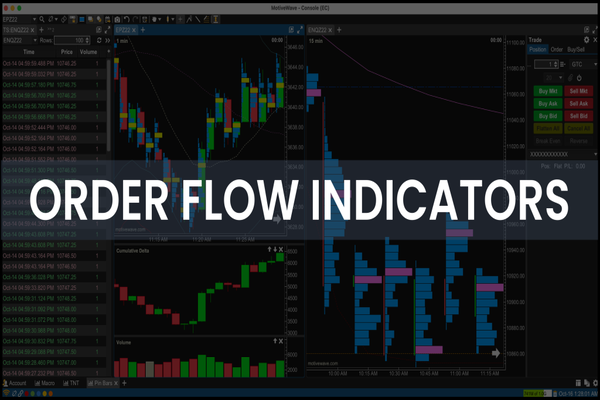
Yes. Order flow analysis typically relies on specialised tools such as the Depth of Market (DOM) interface or Footprint charts, and it requires a strong understanding of market microstructure and order book dynamics. Beginners are encouraged to practise on demo accounts and follow structured learning resources.
To assess breakout validity, traders watch for aggressive buying or selling at key levels. A breakout accompanied by strong market orders and minimal opposing absorption usually indicates greater sustainability, suggesting that large players are supporting the move.
EBC’s order flow platform provides real-time order book data, visual maps of order and fill distributions, and heatmaps of buying and selling strength. These tools help traders decode price behaviour and build more precise, actionable strategies.
Order flow techniques are most effective in highly liquid markets such as forex, gold, oil, and US stock CFDs. These asset classes are driven by active order flow, allowing traders to leverage volume dynamics for sharper trade decisions.